
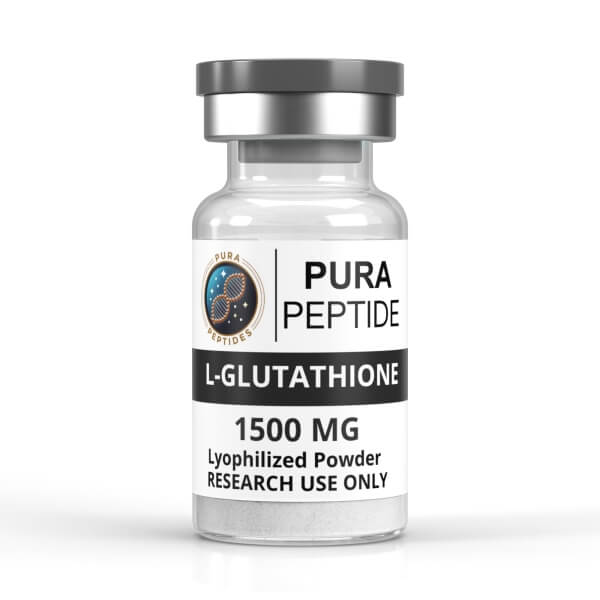
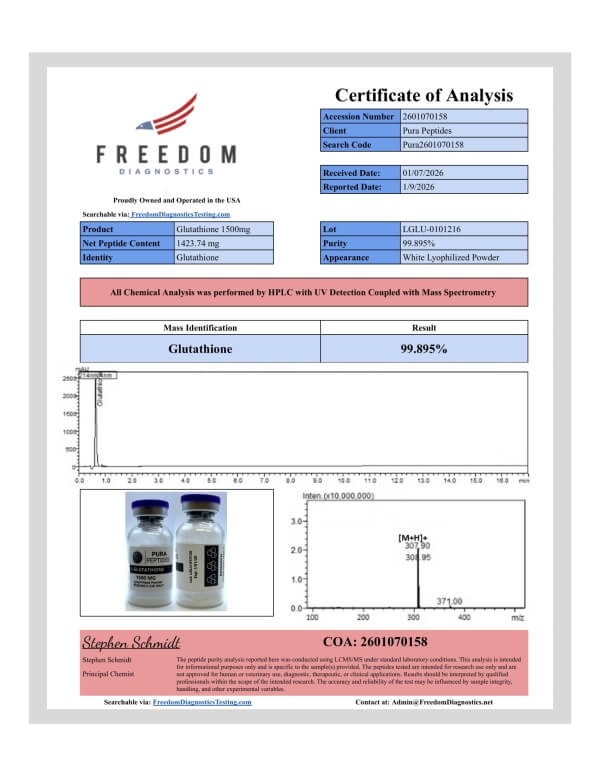

L-Glutathione – 1500 mg
Original price was: $75.00.$70.00Current price is: $70.00.
L-Glutathione 1500 mg remains one of the most important compounds in antioxidant and cellular health research. As a naturally occurring tripeptide, it plays a critical role in detoxification, immune function, and protection against oxidative stress.
With growing scientific interest across the USA, UK, and Europe, glutathione continues to be a cornerstone of modern nutritional and biomedical research. Its central role in maintaining cellular balance makes it one of the most studied and respected molecules in health science today.
L-Glutathione 1500 mg: A Complete Guide to This Powerful Antioxidant Supplement
L-Glutathione 1500 mg is one of the most widely discussed antioxidant supplements in modern health and wellness research across the USA, UK, and Europe. Known as the “master antioxidant,” glutathione plays a critical role in protecting cells from oxidative stress, supporting detoxification pathways, and maintaining overall cellular health.
As interest in longevity, immune support, and cellular repair continues to grow, L-Glutathione has become a popular compound in nutritional science and clinical research. The 1500 mg formulation is often referenced in high-strength supplementation discussions, where dosage concentration and bioavailability are key considerations.
This article explores what L-Glutathione is, how it works, its biological importance, research-backed benefits, and why it has become a leading antioxidant supplement in global wellness markets.
What Is L-Glutathione?
L-Glutathione is a naturally occurring tripeptide composed of three amino acids:
- Glutamine
- Cysteine
- Glycine
It is produced primarily in the liver and is found in nearly every cell of the human body. Its primary function is to protect cells from damage caused by free radicals, toxins, and environmental stressors.
Glutathione exists in two forms:
- Reduced Glutathione (GSH) – the active antioxidant form
- Oxidized Glutathione (GSSG) – the inactive form that can be recycled back into GSH
The balance between these two forms is essential for maintaining cellular health and metabolic function.
Understanding L-Glutathione 1500 mg
The term L-Glutathione 1500 mg refers to a high-strength formulation containing 1500 milligrams of glutathione per serving or vial, depending on the product type.
This dosage level is commonly used in nutritional and clinical discussions focused on antioxidant support and cellular health optimization.
It is important to note that dosage alone does not determine effectiveness, as absorption, formulation type, and individual biological factors all influence outcomes.
How Does L-Glutathione Work?
Glutathione plays a central role in maintaining cellular balance and protecting the body from oxidative stress.
Its key mechanisms include:
1. Antioxidant Activity
Glutathione neutralizes free radicals that can damage cells, proteins, and DNA.
2. Detoxification Support
It binds to toxins, heavy metals, and harmful compounds, helping the body eliminate them through natural detox pathways.
3. Immune System Support
Glutathione contributes to immune cell function and helps regulate inflammatory responses.
4. Cellular Repair and Regeneration
It supports mitochondrial function and helps maintain healthy cellular energy production.
Why Is L-Glutathione Important?
Glutathione levels naturally decline with age, stress, poor diet, and environmental exposure. This decline has been associated with reduced cellular resilience and increased oxidative stress.
Researchers in the USA, UK, and Europe continue to study glutathione because of its central role in:
- Cellular aging
- Immune system performance
- Liver detoxification
- Metabolic health
- Oxidative stress regulation
Due to its broad biological importance, glutathione is often considered a foundational molecule in health science.
Potential Benefits of L-Glutathione (Research Overview)
1. Antioxidant Protection
Glutathione is one of the body’s most powerful internal antioxidants, helping protect against oxidative damage caused by pollution, UV exposure, and metabolic stress.
2. Liver Function Support
The liver relies heavily on glutathione for detoxification processes, including breaking down drugs, alcohol, and environmental toxins.
3. Immune System Function
Glutathione supports the activity of immune cells and helps maintain balanced inflammatory responses.
4. Cellular Energy Support
By supporting mitochondrial function, glutathione plays a role in energy production at the cellular level.
5. Skin and Tissue Health Research
Glutathione is frequently studied in dermatology and cosmetic science due to its role in oxidative balance and cellular repair.
L-Glutathione in Scientific Research
Research into glutathione spans multiple disciplines, including:
- Biochemistry
- Immunology
- Toxicology
- Aging research
- Metabolic science
Studies consistently highlight its importance in maintaining redox balance, which is essential for healthy cellular function.
Researchers are particularly interested in how glutathione interacts with other antioxidants such as vitamin C and vitamin E, forming a network of protective compounds in the body.
Factors That Influence Glutathione Levels
Several lifestyle and environmental factors can impact glutathione production:
Reduced Levels May Be Associated With:
- Chronic stress
- Poor nutrition
- Sleep deprivation
- Aging
- Exposure to toxins and pollution
- Excessive alcohol consumption
Supportive Factors Include:
- Balanced diet rich in sulfur-containing foods
- Regular physical activity
- Adequate sleep
- Antioxidant-rich nutrition
L-Glutathione vs Other Antioxidants
Glutathione vs Vitamin C
Vitamin C helps regenerate oxidized glutathione, making them complementary antioxidants.
Glutathione vs Alpha Lipoic Acid
Both support antioxidant networks, but glutathione plays a more central role in intracellular detoxification.
Glutathione vs N-Acetyl Cysteine (NAC)
NAC is a precursor that helps the body naturally produce glutathione.
Safety and Research Considerations
L-Glutathione is widely studied and generally recognized for its role in normal physiological processes.
However, research considerations include:
- Bioavailability differences between formulations
- Individual metabolic variability
- Product purity and quality standards
- Proper storage conditions
In clinical research contexts, glutathione is evaluated for its pharmacokinetics, absorption rates, and biological effects under controlled conditions.
Frequently Asked Questions About L-Glutathione 1500 mg
What is L-Glutathione?
It is a naturally occurring antioxidant tripeptide found in human cells that supports detoxification and cellular protection.
What does 1500 mg mean?
It refers to the total amount of glutathione contained in a supplement or formulation.
Why is glutathione called the “master antioxidant”?
Because it plays a central role in recycling and supporting other antioxidants while directly neutralizing free radicals.
Is glutathione naturally produced in the body?
Yes, it is produced primarily in the liver and found in nearly all cells.
The Future of Glutathione Research
As global interest in longevity and cellular health grows, glutathione continues to be a major focus in biomedical research.
Future studies are exploring its role in:
- Aging and longevity science
- Neuroprotection
- Metabolic disorders
- Immune system regulation
- Environmental detoxification
Advancements in delivery systems and formulation technologies are also improving how glutathione is studied and utilized in clinical settings.
Conclusion
L-Glutathione 1500 mg remains one of the most important compounds in antioxidant and cellular health research. As a naturally occurring tripeptide, it plays a critical role in detoxification, immune function, and protection against oxidative stress.
With growing scientific interest across the USA, UK, and Europe, glutathione continues to be a cornerstone of modern nutritional and biomedical research. Its central role in maintaining cellular balance makes it one of the most studied and respected molecules in health science today.
Be the first to review “L-Glutathione – 1500 mg”
Related products
Reviews
There are no reviews yet.