
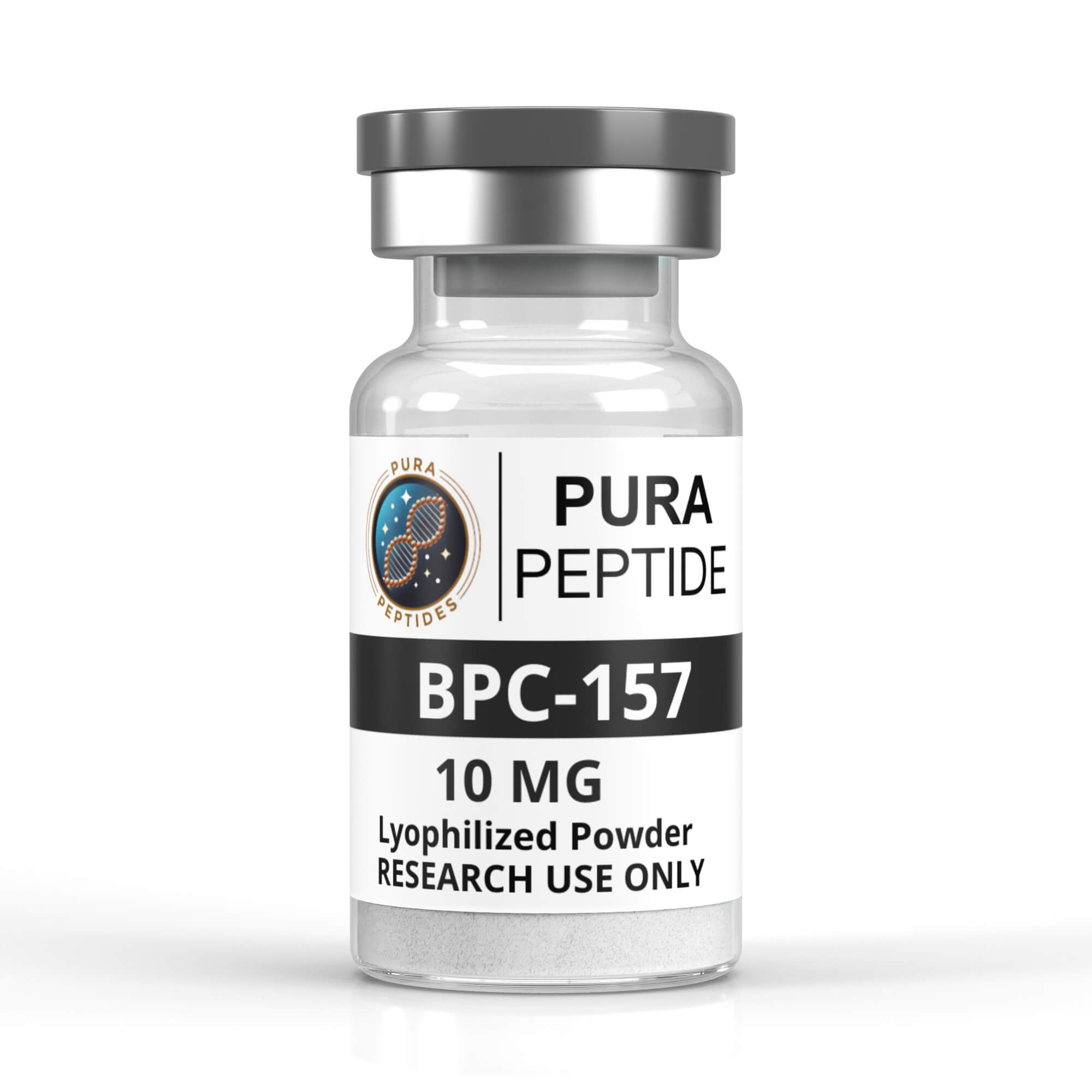
BPC-157 (10mg x 10)
Original price was: $560.00.$400.00Current price is: $400.00.
BPC-157 (10mg x 10) remains one of the most widely recognized and researched peptides in the scientific community. Its association with tissue repair, recovery pathways, and cellular studies has contributed to its growing popularity among researchers worldwide.
BPC-157 (10mg x 10): Complete Guide to This Popular Research Peptide
What Is BPC-157 (10mg x 10)?
BPC-157 (10mg x 10) is one of the most recognized research peptides in the scientific community. Derived from a protective protein sequence found in gastric juice, BPC-157 has become a significant topic of interest in studies involving tissue repair, cellular regeneration, and recovery mechanisms.
The 10mg x 10 format refers to a package containing ten individual vials, each with 10mg of BPC-157, providing a total of 100mg of peptide. This packaging configuration is commonly preferred by researchers who require multiple vials for long-term studies and experimental consistency.
As peptide research continues to grow worldwide, BPC-157 remains one of the most discussed compounds due to its unique characteristics and broad range of scientific investigations.
Understanding BPC-157
BPC stands for Body Protection Compound, and BPC-157 is a synthetic peptide consisting of 15 amino acids. Researchers have studied this peptide extensively because of its potential interactions with biological repair and recovery pathways.
Unlike many peptides that focus on a single mechanism, BPC-157 has attracted attention because of its involvement in multiple physiological processes.
Research areas commonly associated with BPC-157 include:
- Tissue regeneration
- Cellular repair mechanisms
- Tendon and ligament research
- Muscle recovery studies
- Gastrointestinal research
- Vascular function investigations
Its versatility has made it one of the most sought-after compounds in peptide research.
What Does BPC-157 (10mg x 10) Mean?
The 10mg x 10 designation refers to the product’s packaging format.
A standard BPC-157 (10mg x 10) package typically contains:
- 10 separate peptide vials
- 10mg of BPC-157 per vial
- 100mg total peptide content
This format provides flexibility for researchers conducting extended studies or multiple experimental protocols.
Benefits of the 10mg x 10 Format
Research Convenience
Multiple vials allow researchers to organize studies more effectively and maintain product integrity.
Batch Consistency
Products packaged together are often produced within the same manufacturing batch, helping improve consistency across experiments.
Efficient Storage
Researchers can use individual vials as needed while preserving unopened vials under recommended storage conditions.
Why BPC-157 Is Popular in Research
The popularity of BPC-157 stems from its broad research potential and unique biological profile.
Tissue Repair Research
One of the primary reasons researchers study BPC-157 is its potential involvement in tissue regeneration pathways.
Scientific investigations have explored its relationship with:
- Tendon repair
- Ligament recovery
- Muscle tissue studies
- Connective tissue function
Recovery Mechanisms
Researchers are interested in understanding how BPC-157 interacts with the body’s natural recovery processes.
Gastrointestinal Research
Because BPC-157 originates from a protective gastric protein sequence, it has become a topic of interest in digestive system research.
Vascular and Cellular Studies
Researchers continue investigating the peptide’s potential role in blood vessel formation and cellular communication pathways.
Importance of Peptide Quality
The quality of research peptides plays a critical role in obtaining reliable scientific results.
Purity Standards
High-quality BPC-157 products typically undergo advanced purification procedures to ensure:
- High purity levels
- Minimal contaminants
- Consistent composition
- Reliable research performance
Third-Party Laboratory Testing
Independent testing helps verify:
- Product identity
- Purity percentages
- Molecular accuracy
- Batch consistency
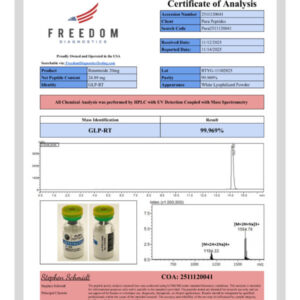
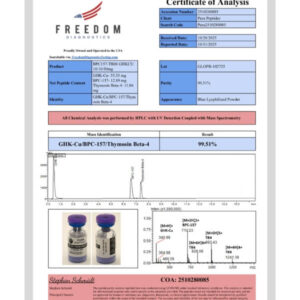
Many reputable suppliers provide Certificates of Analysis (COAs) to document testing results.
Manufacturing Excellence
Trusted peptide manufacturers often implement strict quality control measures, including:
- Controlled laboratory environments
- Batch verification procedures
- Product traceability systems
- Stability monitoring
How to Choose a Quality BPC-157 Supplier
Selecting a reputable supplier is essential for researchers seeking consistent and reliable peptide products.
Transparency
Look for suppliers that provide detailed information regarding:
- Product specifications
- Testing protocols
- Manufacturing standards
- Storage recommendations
Reputation
A supplier’s reputation often reflects product quality and customer satisfaction.
Researchers frequently evaluate:
- Customer reviews
- Industry credibility
- Product consistency
- Service reliability
Documentation
Reliable suppliers typically offer:
- Certificates of Analysis
- Batch testing reports
- Product specifications
- Verification documents
Storage and Handling Considerations
Proper storage is essential for maintaining peptide stability and integrity.
Researchers should follow supplier recommendations regarding:
- Refrigeration requirements
- Light exposure
- Temperature control
- Long-term storage practices
Correct handling helps preserve product quality throughout the research process.
Trends Driving Demand for BPC-157
Several factors continue to support the popularity of BPC-157.
Increased Interest in Recovery Research
Scientists are increasingly focused on understanding tissue repair and recovery pathways.
Growth of Peptide Science
Peptide-based research remains one of the fastest-growing fields in biological science.
Improved Manufacturing Technology
Advances in peptide synthesis have enabled greater product consistency and quality.
Higher Quality Expectations
Researchers increasingly prioritize transparency, testing documentation, and third-party verification.
Best Practices for Selecting BPC-157 Products
When evaluating BPC-157 (10mg x 10), researchers should prioritize:
✔ Third-party laboratory testing
✔ High purity standards
✔ Transparent documentation
✔ Reputable suppliers
✔ Consistent manufacturing processes
✔ Available Certificates of Analysis
✔ Proper storage guidance
These factors help support reliable and reproducible research outcomes.
Frequently Asked Questions
What is BPC-157?
BPC-157 is a synthetic peptide derived from a protective protein sequence associated with gastric tissues and is widely studied in scientific research.
What does 10mg x 10 mean?
It indicates a package containing ten separate vials, each with 10mg of BPC-157, for a total of 100mg.
Why is BPC-157 popular?
Researchers are interested in BPC-157 because of its potential involvement in tissue repair, recovery, cellular communication, and gastrointestinal studies.
How can I verify peptide quality?
Look for third-party testing, Certificates of Analysis, purity verification, and transparent supplier documentation.
Why is purity important?
Purity helps ensure product consistency, reliability, and accuracy in scientific research.
Conclusion
BPC-157 (10mg x 10) remains one of the most widely recognized and researched peptides in the scientific community. Its association with tissue repair, recovery pathways, and cellular studies has contributed to its growing popularity among researchers worldwide.
When selecting BPC-157 products, quality should always be a top priority. Independent laboratory testing, high purity standards, transparent documentation, and reputable suppliers are essential factors that support reliable research outcomes.
As peptide science continues to advance, BPC-157 is expected to remain a significant focus of ongoing research, making quality assurance and supplier credibility more important than ever.
Be the first to review “BPC-157 (10mg x 10)”
Related products
BULK OFFERS
BULK OFFERS
BULK OFFERS
Reviews
There are no reviews yet.