
Uncategorized
Pura Peptides Review
Jul
Pura Peptides Review: An In-Depth Look at Quality, Reliability, and Customer Experience
Pura Peptides Review: Is It a Reliable Research Peptide Supplier?
If you’ve been searching for a Pura Peptides review, you’re likely looking for trustworthy information before purchasing research peptides. With the growing popularity of peptide research, choosing a reputable supplier has become more important than ever. Researchers, educators, and laboratory professionals want products that meet high standards for purity, consistency, and transparency.
While online reviews can offer helpful insights, it’s essential to evaluate a supplier based on objective factors such as third-party testing, product documentation, customer service, and overall reputation. In this guide, we’ll explore what Pura Peptides offers, what to look for in customer reviews, and how to determine whether a peptide supplier is the right choice for your research needs.
What Is Pura Peptides?
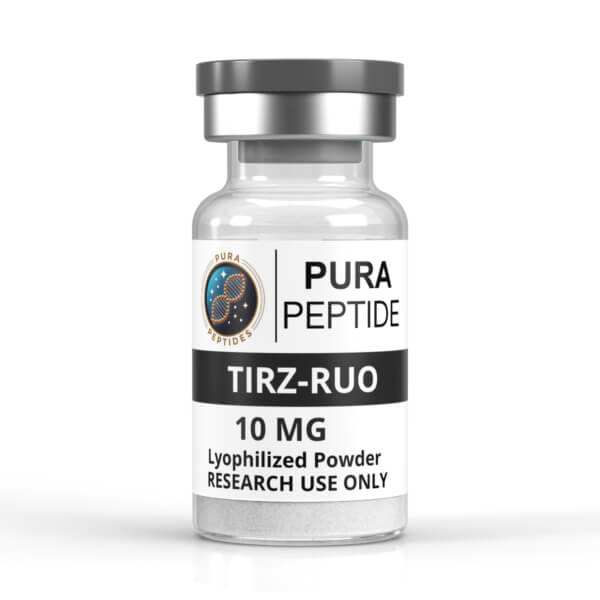
Pura Peptides is known as a supplier of research peptides intended for laboratory and scientific use. Research peptides are short chains of amino acids commonly studied in fields such as:
- Cellular biology
- Endocrinology
- Metabolic research
- Tissue regeneration
- Biotechnology
- Immunology
These products are generally marketed for research purposes only and are not intended for human consumption unless specifically approved by the appropriate regulatory authorities.
As peptide research continues to expand, many buyers search for a Pura Peptides review to better understand the company’s reputation and product quality before placing an order.
Why Read a Pura Peptides Review?
Reading reviews is one of the easiest ways to learn about a supplier’s overall customer experience. Although individual opinions may vary, reviews often highlight recurring themes that can help buyers make informed decisions.
People typically search for Pura Peptides reviews to learn about:
- Product quality
- Shipping speed
- Customer service
- Packaging
- Product availability
- Website usability
- Research documentation
- Overall purchasing experience
Instead of relying on a single review, it’s helpful to compare multiple sources and focus on consistent patterns.
Key Factors to Evaluate
1. Product Quality
Quality is the foundation of reliable peptide research.
Researchers generally look for suppliers that provide:
- High-purity peptides
- Batch consistency
- Professional packaging
- Proper storage recommendations
Consistent quality helps support reproducible laboratory results.
2. Third-Party Laboratory Testing
One of the strongest indicators of a trustworthy supplier is independent laboratory verification.
Reliable peptide companies often provide:
- HPLC testing
- Mass spectrometry analysis
- Batch-specific reports
- Certificates of Analysis (COAs)
These documents help verify that products match their stated specifications.
3. Transparency
Transparency builds confidence.
A reputable supplier should clearly explain:
- Manufacturing standards
- Product specifications
- Storage requirements
- Shipping policies
- Return policies
The more information available, the easier it is for researchers to make informed decisions.
4. Customer Support
Responsive customer service is another important consideration.
A quality supplier should be able to answer questions regarding:
- Orders
- Shipping
- Product information
- Laboratory documentation
- General policies
Prompt communication often contributes to a better purchasing experience.
Common Research Peptides Offered by Suppliers
Many research peptide suppliers offer products commonly used in scientific studies, including:
BPC-157
Frequently researched for tissue repair and regenerative biology.
TB-500
Studied for its potential role in cell migration and healing mechanisms.
CJC-1295
Often investigated in hormone-related laboratory research.
Ipamorelin
Commonly examined in studies involving growth hormone secretion.
Semaglutide
Widely researched for metabolic and glucose regulation.
Each peptide serves different research purposes depending on the study design.
What Makes a Good Research Peptide Supplier?
Whether you’re evaluating Pura Peptides or another company, several characteristics are worth considering.
Verified Testing
Independent testing increases confidence in product identity and purity.
Secure Packaging
Proper packaging helps protect peptides during shipping and storage.
Educational Resources
Some suppliers provide helpful product descriptions and handling recommendations to support researchers.
Positive Customer Feedback
Detailed customer reviews can offer insights into ordering experiences, shipping reliability, and customer support.
Consistency
Reliable suppliers strive to maintain consistent product quality from batch to batch.
Storage Recommendations
Proper storage is essential for maintaining peptide quality.
General best practices include:
- Store lyophilized peptides in a cool, dry location.
- Refrigerate or freeze products if recommended by the manufacturer.
- Avoid repeated freeze-thaw cycles.
- Protect peptides from direct sunlight and excessive moisture.
- Follow sterile laboratory handling procedures.
Always review the supplier’s storage instructions for each product.
Frequently Asked Questions
Is Pura Peptides intended for human use?
Research peptides are generally sold for laboratory and scientific research purposes only unless specifically approved for medical use by relevant regulatory authorities.
Why do researchers read Pura Peptides reviews?
Reviews can provide insight into product quality, customer service, shipping experiences, and supplier transparency.
What should I look for in a peptide supplier?
Important factors include:
- Third-party testing
- Product purity
- Certificates of Analysis
- Customer support
- Shipping reliability
- Transparent business practices
Are Certificates of Analysis important?
Yes. Certificates of Analysis provide valuable information regarding product testing, identity, and purity, helping researchers evaluate quality standards.
How should research peptides be stored?
Storage requirements vary by product, but many peptides should be stored according to the manufacturer’s recommendations, often in refrigerated or frozen conditions after receipt.
Tips Before Purchasing Research Peptides
Before ordering from any supplier, consider the following:
- Read recent customer reviews from multiple sources.
- Verify that testing documentation is available.
- Review shipping and return policies.
- Compare product specifications.
- Confirm proper storage recommendations.
- Evaluate customer support responsiveness.
- Choose transparency over price alone.
Taking these steps can help researchers make more informed purchasing decisions.
This Pura Peptides Review
Searching for a Pura Peptides review is a practical way to gather information before selecting a research peptide supplier. While customer reviews can provide valuable insights into shipping, service, and overall satisfaction, they should be considered alongside objective indicators such as third-party laboratory testing, Certificates of Analysis, and supplier transparency.
Ultimately, the best peptide supplier is one that consistently emphasizes quality, clear documentation, responsible business practices, and dependable customer support. By carefully evaluating these factors, researchers can choose products that align with the standards required for reliable scientific investigation and laboratory research.
