
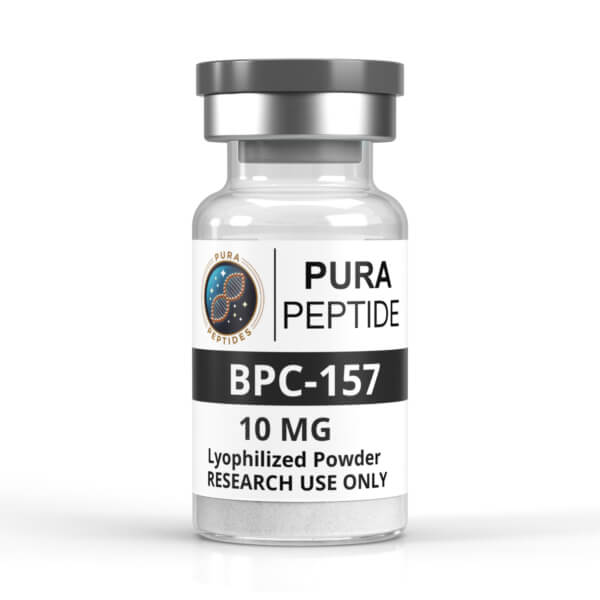
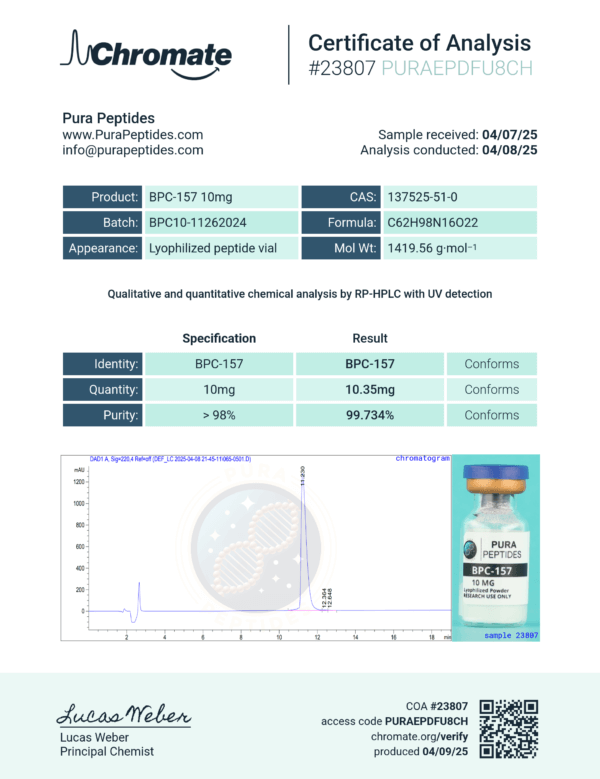
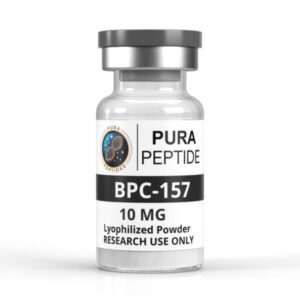
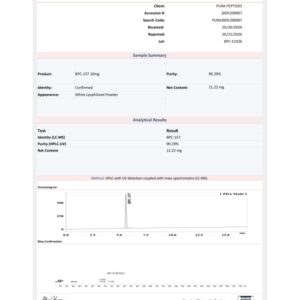
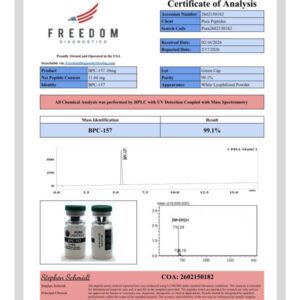
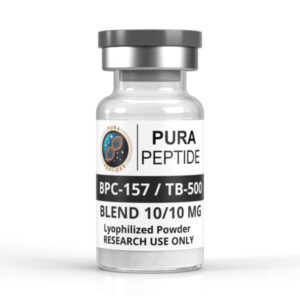
BPC-157 10mg
Original price was: $60.00.$45.00Current price is: $45.00.
BPC-157 10mg has become one of the most recognized peptides in modern research due to its unique origins, broad scientific interest, and diverse areas of investigation. Derived from a naturally occurring gastric protein sequence, it continues to be studied for its interactions with tissues, cellular signaling pathways, and biological processes.
BPC-157 10mg: A Complete Guide to This Popular Research Peptide
BPC-157 10mg is one of the most discussed peptides in modern research circles. Derived from a protective protein found in the stomach, BPC-157 has attracted scientific interest due to its unique biological properties and potential role in various experimental studies. Researchers continue to investigate this peptide to better understand its interactions with tissues, blood vessels, and cellular repair mechanisms.
As peptide science continues to evolve, BPC-157 remains a frequently searched topic among researchers, biotechnology enthusiasts, and individuals interested in emerging developments within the field of regenerative medicine. This article explores what BPC-157 10mg is, how it works, its research applications, and why it has become a notable subject of scientific investigation.
What Is BPC-157?
BPC-157 stands for Body Protection Compound-157, a synthetic peptide consisting of 15 amino acids. It originates from a naturally occurring protein found in gastric juice.
Scientists developed BPC-157 to study how specific peptides interact with biological systems, particularly those related to tissue maintenance and cellular signaling.
Unlike many peptides that focus on hormonal pathways, BPC-157 has gained attention for its broad range of research applications involving various tissues and physiological processes.
Understanding BPC-157 10mg
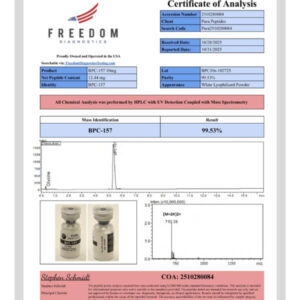
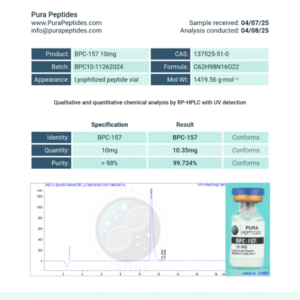
The term BPC-157 10mg refers to the quantity of peptide contained within a vial or preparation. The 10mg format is commonly referenced in peptide research and laboratory settings because it provides a standardized amount for scientific investigation.
Researchers often select peptide concentrations based on study objectives, experimental protocols, and laboratory requirements.
The 10mg designation itself does not indicate effectiveness but simply identifies the amount of peptide present in the product.
How Does BPC-157 Work?
Although research is ongoing, scientists believe BPC-157 may interact with several biological pathways involved in cellular communication and tissue response.
Areas of investigation include:
- Blood vessel formation
- Cellular signaling pathways
- Tissue maintenance mechanisms
- Gastrointestinal research
- Connective tissue studies
Researchers continue exploring these interactions to better understand the peptide’s biological activity and potential scientific applications.
Why Is BPC-157 Popular in Research?
Several factors contribute to the growing popularity of BPC-157 within scientific communities.
Unique Peptide Structure
BPC-157 possesses a relatively stable peptide structure, making it an attractive candidate for laboratory investigation.
Its composition allows researchers to study peptide interactions across multiple biological systems.
Broad Research Interest
Unlike peptides that focus on a single pathway, BPC-157 has been examined in a variety of experimental contexts.
Researchers have investigated its relationship with:
- Musculoskeletal tissues
- Gastrointestinal systems
- Vascular pathways
- Cellular recovery processes
This broad scope of interest has increased its visibility within peptide science.
Expanding Scientific Literature
Over the years, a growing number of studies have explored the biological activity of BPC-157. These investigations continue to contribute to scientific understanding and encourage further research.
Research Areas Associated with BPC-157
Tissue Research
One of the most frequently discussed areas involves studies examining tissue response and maintenance.
Researchers continue investigating how peptides such as BPC-157 interact with various cellular environments.
Gastrointestinal Studies
Because BPC-157 originates from a gastric protein sequence, it has been studied in gastrointestinal research settings.
Scientists have explored its potential interactions with digestive-system-related biological processes.
Vascular Research
Researchers have also examined how BPC-157 may influence pathways related to blood vessel development and vascular function.
This remains an active area of scientific exploration.
Cellular Communication
Peptides often function as signaling molecules within the body.
BPC-157 has attracted attention due to its potential involvement in cellular communication networks and regulatory processes.
Advantages of Peptide Research
Peptides have become an increasingly important focus within biotechnology and biomedical science.
Key advantages include:
High Specificity
Peptides can interact with highly specific biological targets, making them valuable research tools.
Diverse Applications
Researchers investigate peptides across numerous fields, including:
- Metabolism
- Cellular biology
- Tissue science
- Endocrinology
- Biotechnology
Scientific Innovation
The growing interest in peptide research continues to drive innovation and expand scientific knowledge.
BPC-157 is one example of a peptide that has generated significant research interest due to its unique characteristics.
BPC-157 vs. Other Research Peptides
BPC-157 vs. TB-500
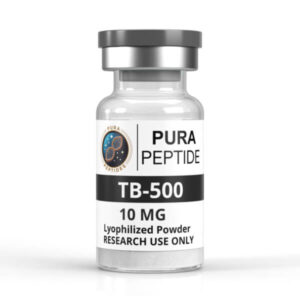
BPC-157 and TB-500 are frequently discussed together in peptide research.
While both are subjects of scientific investigation, they originate from different biological compounds and are studied for different mechanisms of action.
BPC-157 vs. Growth Hormone Peptides
Growth hormone peptides primarily focus on hormonal pathways.
BPC-157, however, is often studied for its interactions with tissue-related and cellular signaling processes.
BPC-157 vs. AOD-9604
AOD-9604 is generally associated with metabolic research, while BPC-157 has been investigated in broader tissue and biological response studies.
Safety and Research Considerations
As with any peptide under investigation, responsible research practices are essential.
Researchers commonly evaluate:
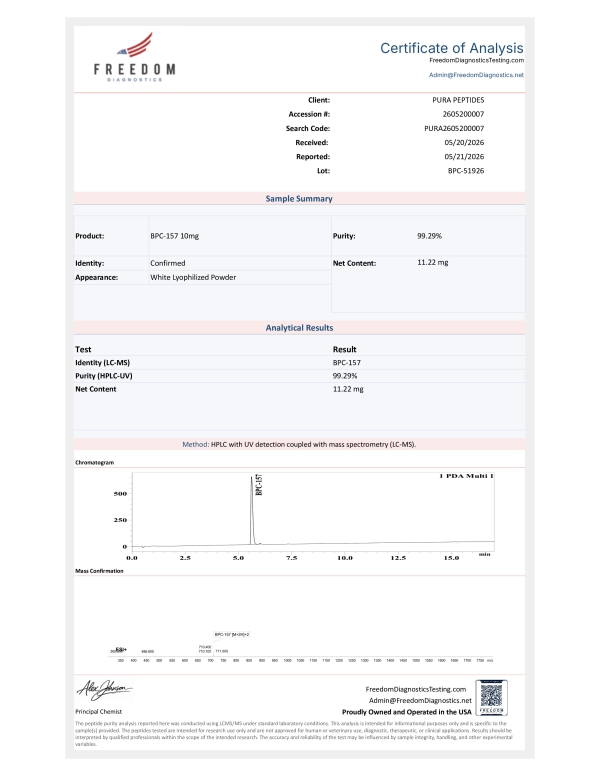
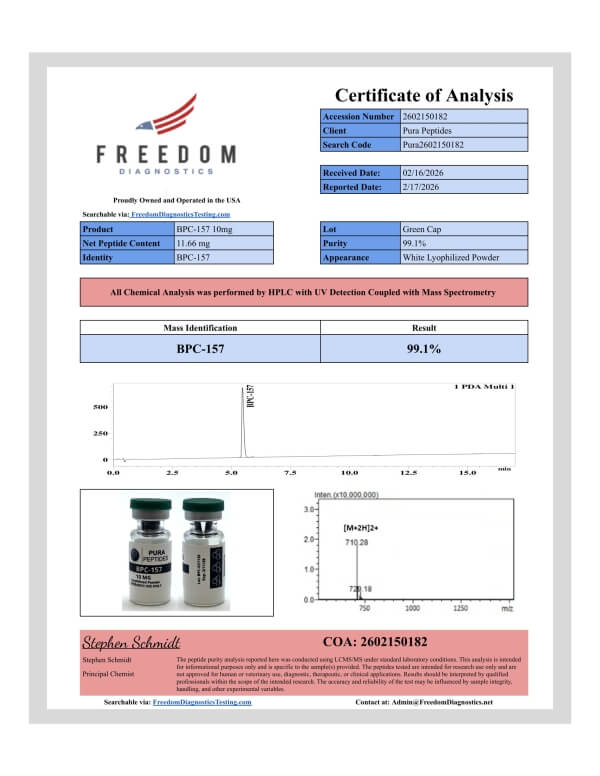
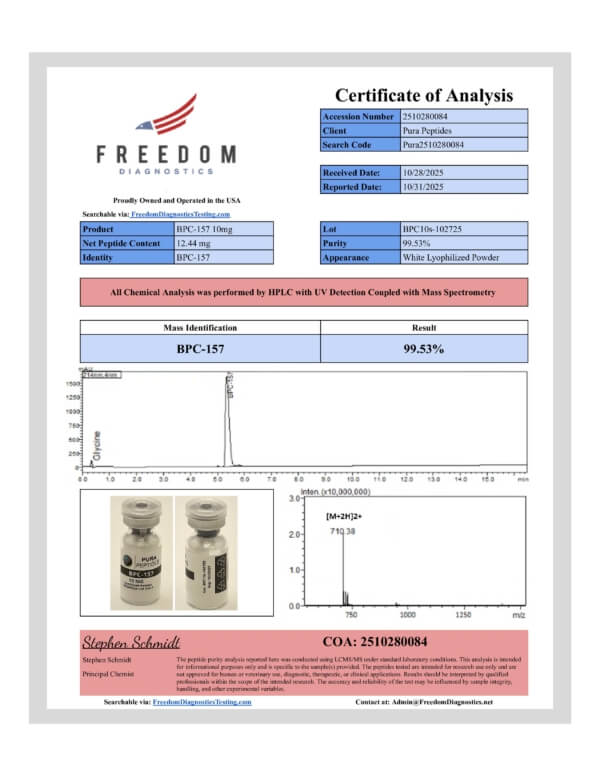
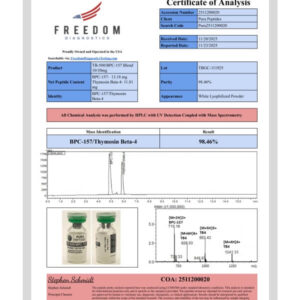
- Purity
- Stability
- Storage requirements
- Laboratory handling procedures
- Experimental outcomes
Individuals interested in peptide science should consult peer-reviewed research and reputable scientific sources when reviewing information.
It is important to understand that research compounds may be subject to regulatory restrictions depending on jurisdiction and intended use.
Frequently Asked Questions About BPC-157 10mg
What Does BPC-157 Stand For?
BPC-157 stands for Body Protection Compound-157, a synthetic peptide derived from a naturally occurring gastric protein sequence.
What Does 10mg Mean?
The 10mg label refers to the amount of peptide contained within a vial or preparation.
Why Is BPC-157 Being Studied?
Researchers are interested in understanding how BPC-157 interacts with cellular pathways, tissues, and biological signaling mechanisms.
Is BPC-157 a Hormone?
No. BPC-157 is a peptide rather than a hormone and is studied for different biological properties.
The Future of BPC-157 Research
The field of peptide science continues to grow rapidly, and BPC-157 remains a prominent topic within ongoing research efforts.
Future investigations may provide additional insights into:
- Cellular signaling
- Tissue biology
- Vascular pathways
- Peptide-based innovations
- Regenerative science
As scientific understanding advances, researchers will continue evaluating the peptide’s biological characteristics and potential applications.
Be the first to review “BPC-157 10mg”
Related products
Reviews
There are no reviews yet.