
RETA-10 (C221H342N46O68) (10mg x 10)
Original price was: $900.00.$700.00Current price is: $700.00.
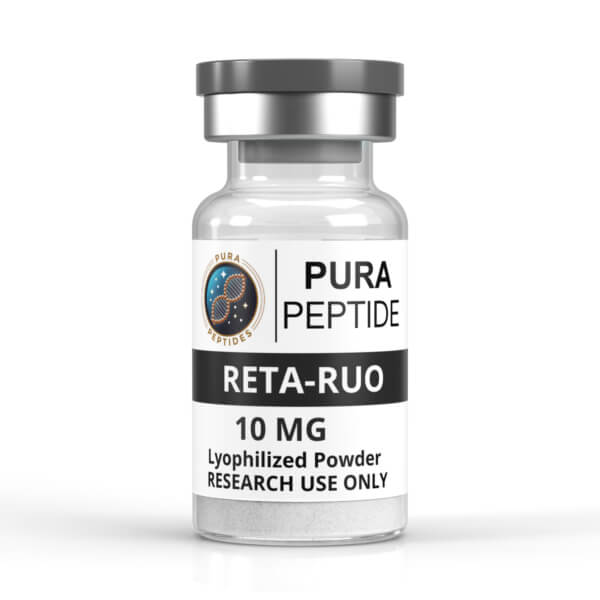
RETA-10 (C221H342N46O68) (10mg x 10) represents a modern synthetic peptide designed for advanced research applications. Its complex molecular structure and standardized packaging format make it a valuable compound in laboratory environments focused on metabolic and cellular studies.
RETA-10 (C221H342N46O68) (10mg x 10): Complete Guide to This Advanced Research Peptide
What Is RETA-10 (C221H342N46O68) (10mg x 10)?
The field of peptide research continues to evolve rapidly, with new synthetic compounds designed to support scientific exploration of metabolism, cellular signaling, and physiological regulation. One such compound gaining attention in research circles is RETA-10 (C221H342N46O68) (10mg x 10).
This peptide is identified by its molecular formula C221H342N46O68, reflecting its complex amino acid structure and engineered design. The “10mg x 10” format indicates a multi-vial research packaging system commonly used in laboratory environments for consistency, convenience, and controlled experimental use.
As interest in metabolic and receptor-based peptide research grows, RETA-10 has become a frequently searched compound among researchers seeking standardized, high-quality peptide materials.
Understanding RETA-10 (C221H342N46O68)
RETA-10 is a synthetic research peptide developed for laboratory investigation purposes. Like other modern peptides, it is composed of amino acid chains that function as biological signaling molecules.
Peptides such as RETA-10 are studied because they may help researchers better understand:
- Metabolic signaling pathways
- Hormonal regulation mechanisms
- Energy balance processes
- Cellular communication systems
- Physiological response behaviors
The complexity of its molecular structure suggests a highly engineered compound designed for specific receptor or pathway interactions in controlled research environments.
Molecular Profile of RETA-10
The molecular formula of RETA-10 is:
This indicates the presence of:
- 221 Carbon atoms
- 342 Hydrogen atoms
- 46 Nitrogen atoms
- 68 Oxygen atoms
Such a composition is typical of large peptide structures used in advanced biochemical research. The arrangement of amino acids in this chain contributes to the peptide’s stability, binding characteristics, and functional behavior in experimental models.
Why Molecular Structure Matters
In peptide research, molecular structure directly influences:
- Binding affinity to receptors
- Stability in laboratory conditions
- Interaction with biological systems
- Overall research reproducibility
For this reason, understanding the molecular architecture of RETA-10 is essential for researchers working with peptide-based compounds.
What Does RETA-10 (10mg x 10) Mean?
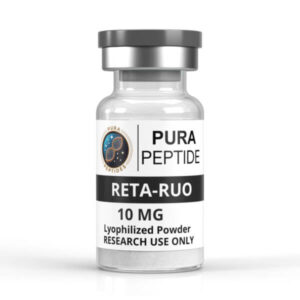
The 10mg x 10 designation refers to the product’s packaging format:
- 10 individual vials per kit
- 10mg of peptide per vial
- Total of 100mg per package
This format is widely used in research settings for several reasons.
Benefits of 10mg x 10 Packaging
1. Experimental Consistency
Each vial can be used for separate experiments, reducing cross-contamination risks.
2. Batch Uniformity
Multiple vials are often produced in the same manufacturing batch, improving consistency across research trials.
3. Storage Efficiency
Smaller vials are easier to store and preserve under controlled conditions.
4. Flexible Research Design
Researchers can divide usage across multiple stages of a study.
Why RETA-10 Is Gaining Research Interest
The growing attention toward RETA-10 (C221H342N46O68) is part of a broader expansion in peptide-based research.
1. Expansion of Metabolic Research
Scientists are increasingly studying peptides related to metabolic signaling and energy regulation. RETA-10 fits into this category of interest due to its structural complexity and potential receptor interactions.
2. Advancements in Peptide Engineering
Modern synthesis techniques allow for highly specific peptide design. RETA-10 represents this advancement, offering researchers a structured compound for controlled laboratory investigation.
3. Increased Demand for Standardized Compounds
As research becomes more precise, demand for consistent and well-documented peptides continues to rise.
Importance of Quality in RETA-10 Research
High-quality peptide production is essential for reliable research outcomes. Even small variations in purity or handling can significantly affect results.
Purity Standards
High-grade peptides are typically produced with strict purification processes to ensure:
- High chemical purity
- Reduced contamination
- Stable molecular composition
- Reproducible results
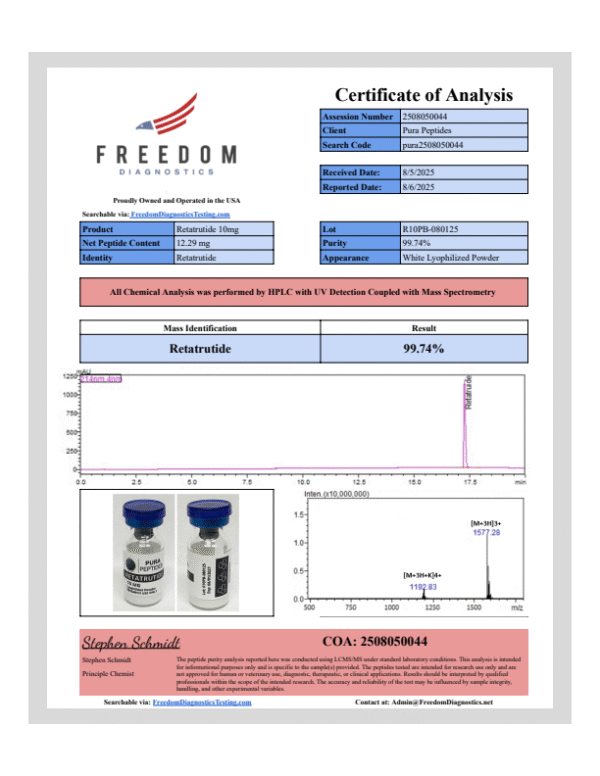
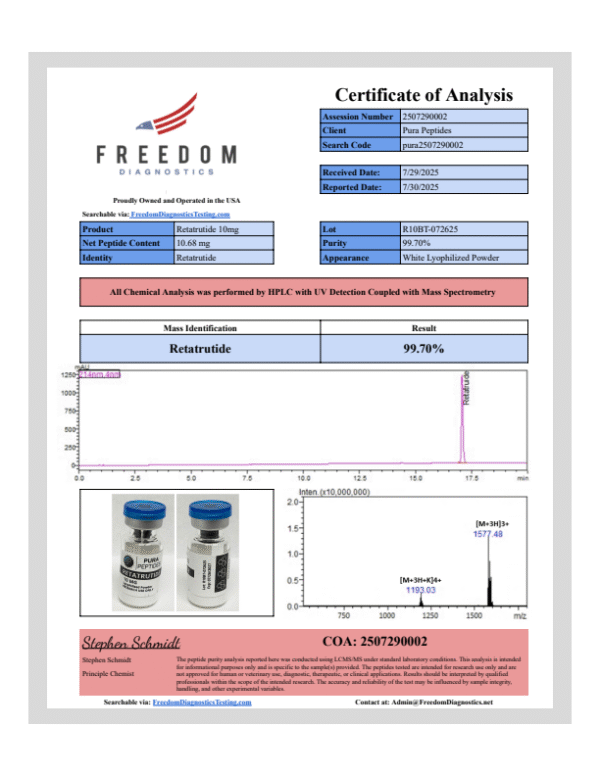
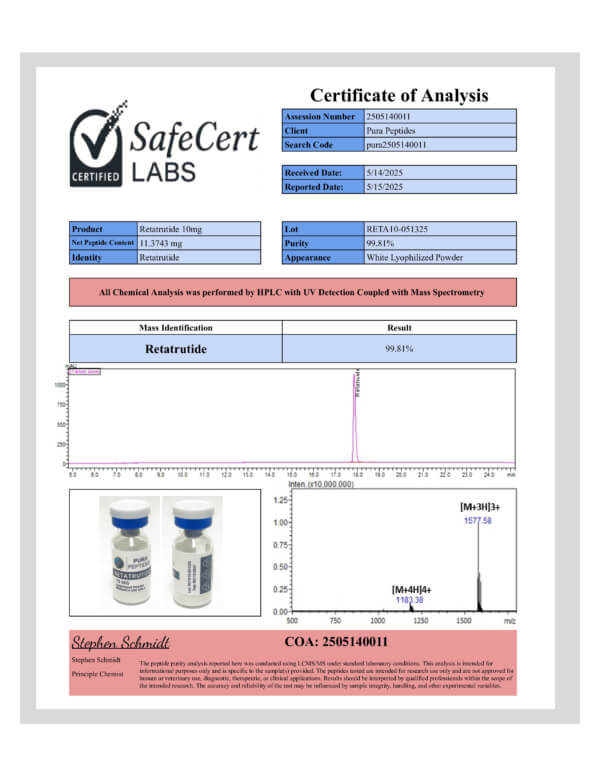
Third-Party Testing
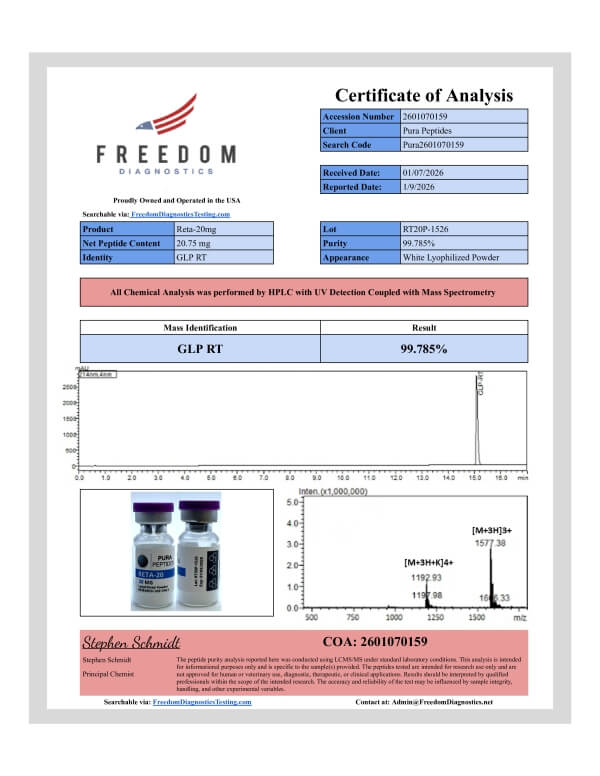
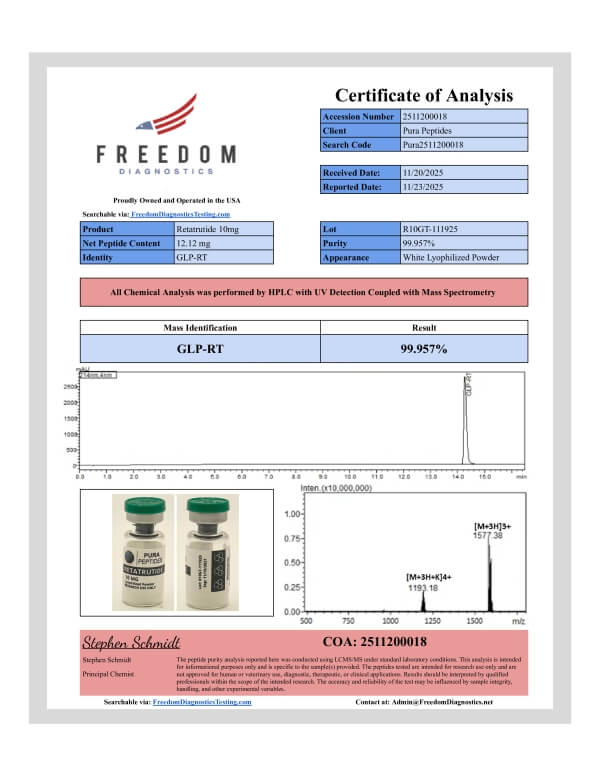
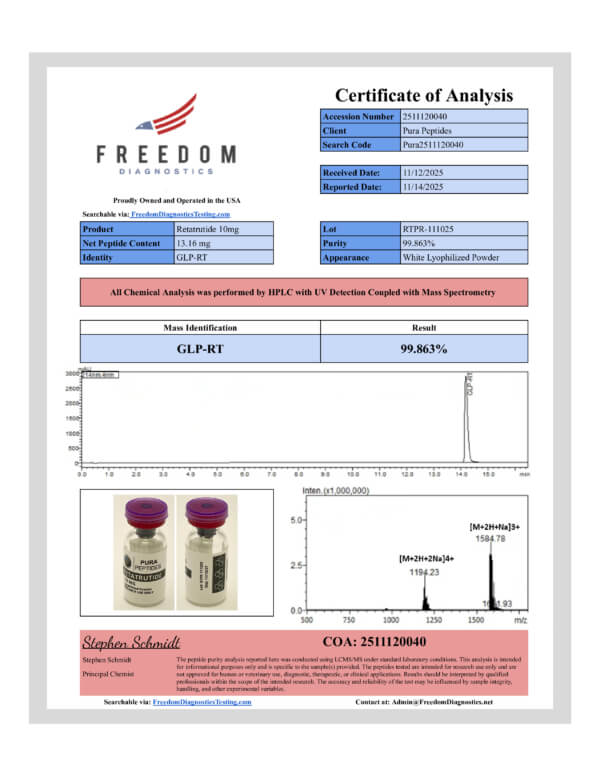
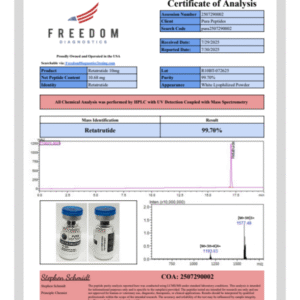
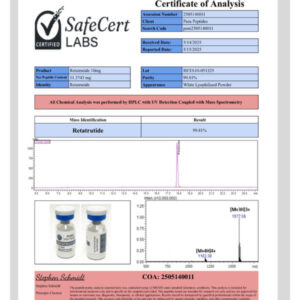
Independent laboratory testing is a key factor in verifying peptide quality. It helps confirm:
- Identity of the compound
- Purity percentage
- Batch consistency
- Structural accuracy
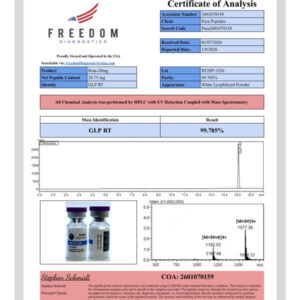
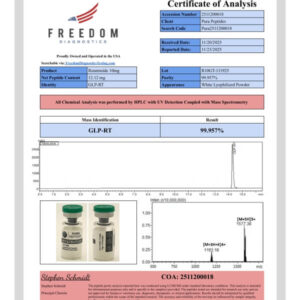
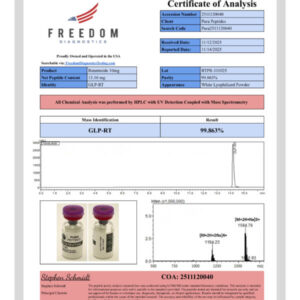
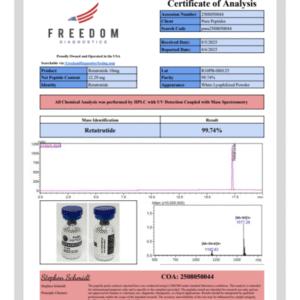
Many suppliers provide Certificates of Analysis (COAs) for transparency.
Manufacturing Controls
Reliable peptide manufacturing includes:
- Controlled laboratory environments
- Sterile production processes
- Batch traceability systems
- Stability testing protocols
How to Evaluate RETA-10 Suppliers
Selecting a trustworthy supplier is just as important as selecting the peptide itself.
Transparency
Reputable suppliers provide clear information about:
- Product specifications
- Molecular data
- Testing procedures
- Storage requirements
Reputation
A supplier’s reputation is often built on:
- Product consistency
- Customer feedback
- Industry presence
- Reliability over time
Documentation
High-quality suppliers typically offer:
- Certificates of Analysis
- Batch testing reports
- Product verification data
- Manufacturing documentation
Storage and Handling Guidelines
Proper storage is essential to maintain peptide integrity.
Researchers should follow general best practices such as:
- Keeping peptides in controlled temperature environments
- Avoiding direct light exposure
- Minimizing repeated freeze-thaw cycles
- Following supplier-specific handling instructions
Proper handling helps preserve the stability and reliability of RETA-10 during research use.
Industry Trends Driving Demand for RETA-10
Several trends are influencing the growing interest in peptides like RETA-10:
Increased Scientific Research
Peptide science continues to expand across metabolic and biochemical research fields.
Improved Synthesis Technology
Advances in peptide manufacturing allow for more precise and stable compounds.
Higher Quality Expectations
Researchers increasingly demand verified purity and transparent documentation.
Growth in Laboratory Standardization
Standardized peptide formats such as 10mg x 10 are becoming more common in research environments.
Best Practices for Using RETA-10 in Research
To ensure reliable results, researchers should prioritize:
✔ Verified third-party testing
✔ High purity standards
✔ Transparent supplier documentation
✔ Consistent batch sourcing
✔ Proper storage conditions
✔ Controlled experimental design
These factors help ensure accuracy and reproducibility in scientific studies.
Frequently Asked Questions
What is RETA-10 (C221H342N46O68)?
RETA-10 is a synthetic research peptide identified by the molecular formula C221H342N46O68, used in laboratory and scientific studies.
What does 10mg x 10 mean?
It means the product contains 10 vials, each with 10mg of peptide, totaling 100mg.
Why is RETA-10 studied?
It is studied for its role in metabolic and cellular signaling research.
How is peptide quality verified?
Through third-party lab testing, Certificates of Analysis, and manufacturing documentation.
Why is purity important?
Purity ensures accuracy, consistency, and reliability in scientific research outcomes.
Conclusion
RETA-10 (C221H342N46O68) (10mg x 10) represents a modern synthetic peptide designed for advanced research applications. Its complex molecular structure and standardized packaging format make it a valuable compound in laboratory environments focused on metabolic and cellular studies.
Be the first to review “RETA-10 (C221H342N46O68) (10mg x 10)”
Related products
BULK OFFERS
BULK OFFERS
Reviews
There are no reviews yet.