
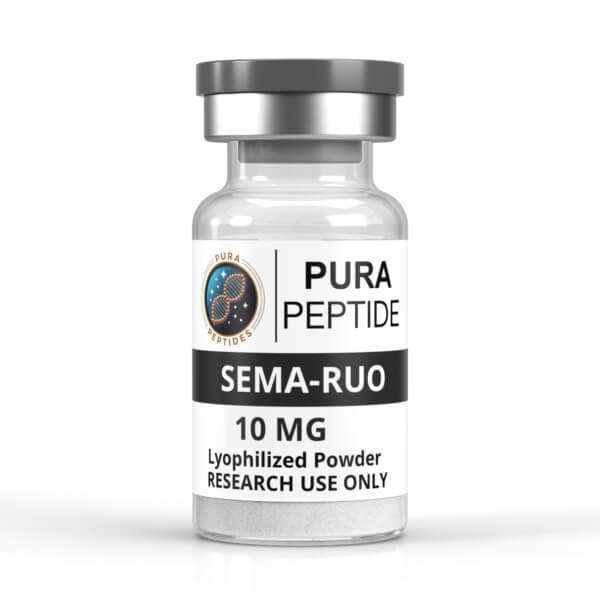
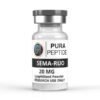
SEMA-10 (C187H291N45O59) (10mg x 10)
Original price was: $700.00.$550.00Current price is: $550.00.
SEMA-10 (C187H291N45O59) (10mg x 10) represents a sophisticated peptide product that reflects the continued evolution of peptide science and manufacturing technology. Its complex molecular structure, convenient multi-vial packaging, and growing relevance within scientific research make it an important compound for researchers exploring peptide-based applications.
SEMA-10 (C187H291N45O59) (10mg x 10): Complete Guide to This Advanced Research Peptide
What Is SEMA-10 (C187H291N45O59) (10mg x 10)?
The peptide research industry has experienced remarkable growth over the past decade, driven by increasing scientific interest in metabolic regulation, cellular communication, and hormone signaling. Among the compounds attracting attention within research communities is SEMA-10 (C187H291N45O59) (10mg x 10), a synthetic peptide recognized for its complex molecular structure and relevance to modern peptide studies.
As laboratories and researchers seek high-quality peptide products, understanding the characteristics, packaging formats, and quality standards associated with SEMA-10 has become increasingly important. This comprehensive guide explores the key features of SEMA-10 (C187H291N45O59) (10mg x 10), including its molecular profile, research significance, and best practices for evaluating peptide quality.
Understanding SEMA-10 (C187H291N45O59)
SEMA-10 is a synthetic peptide compound identified by the molecular formula:
Like many advanced peptides, SEMA-10 is designed for research applications involving biological signaling pathways and physiological processes. Peptides are composed of amino acid chains that function as signaling molecules throughout the body, helping regulate numerous cellular activities.
Researchers study peptides because they provide valuable insights into:
- Metabolic processes
- Hormonal interactions
- Cellular communication
- Energy regulation
- Physiological adaptation
The growing popularity of peptide science has contributed to increased interest in compounds such as SEMA-10.
Molecular Characteristics of SEMA-10
The molecular structure of SEMA-10 reflects the complexity of modern peptide engineering.
Molecular Formula
C187H291N45O59
This formula indicates that the peptide contains:
- 187 Carbon atoms
- 291 Hydrogen atoms
- 45 Nitrogen atoms
- 59 Oxygen atoms
The sophisticated molecular composition highlights the advanced synthesis techniques used in peptide manufacturing.
Peptide Classification
SEMA-10 belongs to a category of research peptides frequently studied for their interactions with biological pathways and signaling systems.
Areas commonly explored within peptide research include:
- Metabolic regulation
- Cellular signaling
- Hormonal balance
- Physiological function
- Scientific investigation of peptide mechanisms
What Does 10mg x 10 Mean?
The designation 10mg x 10 refers to the packaging configuration of the product.
A standard SEMA-10 (10mg x 10) package typically includes:
- Ten separate vials
- 10mg of peptide per vial
- 100mg total peptide content
This format is particularly popular among researchers conducting long-term studies or requiring multiple vials for laboratory applications.
Advantages of a 10mg x 10 Package
Research Flexibility
Multiple vials provide greater convenience when managing different experiments or study phases.
Consistent Product Supply
Researchers can maintain continuity throughout a project without frequently reordering materials.
Batch Uniformity
Products packaged together often originate from the same manufacturing batch, supporting consistency in research conditions.
Why Researchers Are Interested in SEMA-10
Several factors contribute to the growing interest in SEMA-10 (C187H291N45O59).
Advanced Peptide Technology
Modern peptide engineering enables the creation of compounds with highly specific molecular structures and targeted research applications.
SEMA-10 represents the ongoing advancement of peptide science and manufacturing.
Growing Interest in Metabolic Research
The scientific community continues to explore peptide compounds associated with physiological regulation and metabolic processes.
Expanding Peptide Market
As peptide-based research grows, demand for premium compounds such as SEMA-10 continues to increase.
Importance of Peptide Quality
Product quality plays a critical role in peptide research.
Researchers rely on consistent, accurately manufactured compounds to support reliable scientific investigations.
High Purity Standards
Quality peptide products are typically subjected to extensive purification processes.
Benefits of high-purity peptides include:
- Greater consistency
- Reduced impurities
- Improved reliability
- Enhanced research confidence
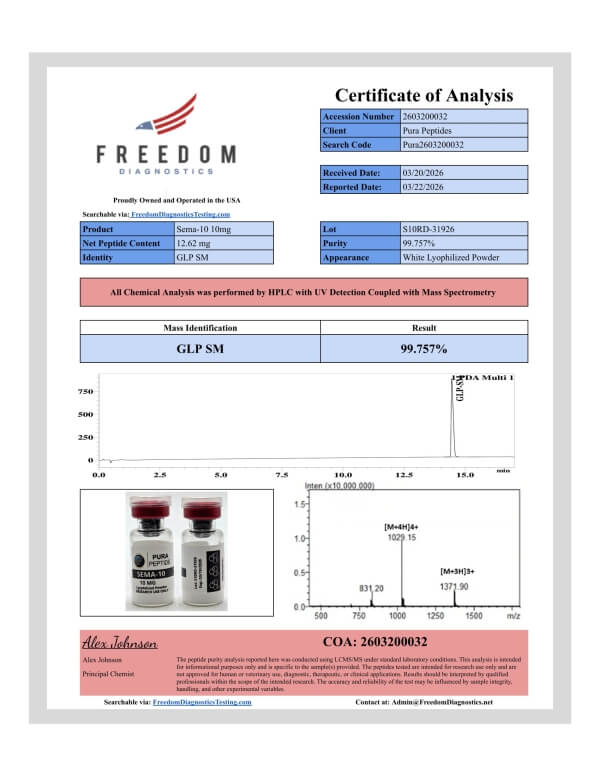
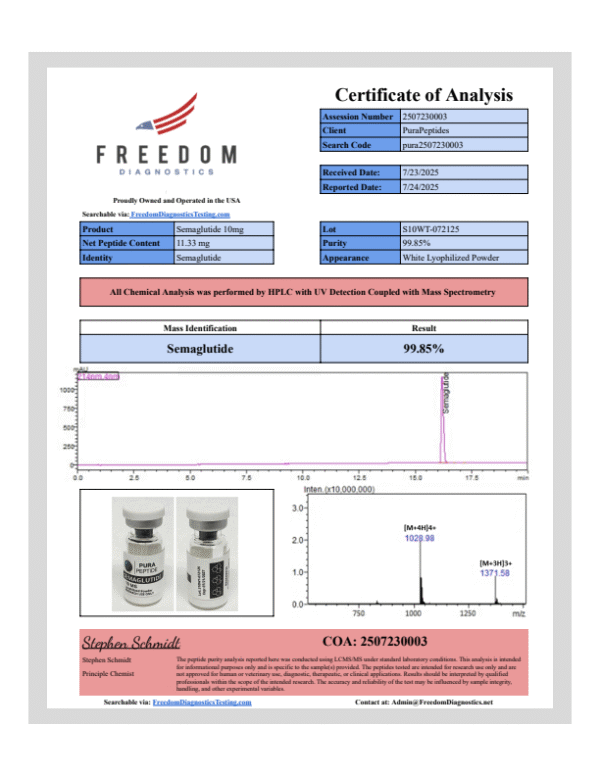
Third-Party Laboratory Testing
Independent testing helps verify:
- Product identity
- Molecular composition
- Purity specifications
- Batch consistency
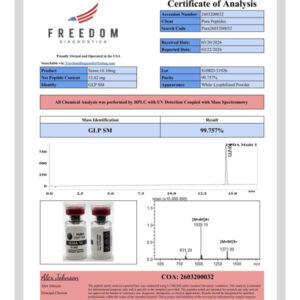
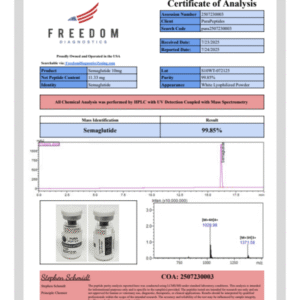
Many reputable suppliers provide Certificates of Analysis (COAs) documenting testing results.
Manufacturing Excellence
Trusted peptide manufacturers often implement strict quality assurance measures, including:
- Controlled production environments
- Batch verification procedures
- Stability monitoring
- Product traceability systems
How to Evaluate SEMA-10 Suppliers
Selecting a reputable supplier is essential when sourcing peptide products.
Transparency
Look for suppliers that provide detailed information regarding:
- Product specifications
- Testing protocols
- Quality control procedures
- Storage recommendations
Reputation
A supplier’s reputation often reflects its commitment to quality and customer satisfaction.
Researchers frequently evaluate:
- Customer reviews
- Product consistency
- Industry reputation
- Service reliability
Documentation
Reliable suppliers typically offer:
- Certificates of Analysis
- Batch testing reports
- Product specifications
- Quality verification documents
Storage and Handling Considerations
Proper storage is important for maintaining peptide integrity.
Researchers should always follow supplier recommendations regarding:
- Temperature control
- Light exposure
- Product handling
- Storage duration
Maintaining appropriate conditions helps preserve product quality throughout the research process.
Trends Driving Demand for SEMA-10
Several developments continue to influence the peptide industry.
Increased Research Activity
Peptide science remains one of the fastest-growing areas of biological research.
Improved Manufacturing Technology
Advances in peptide synthesis have enabled more precise and consistent production methods.
Higher Quality Expectations
Researchers increasingly prioritize transparency, testing documentation, and quality verification.
Growth of Metabolic Research
Interest in metabolic and physiological pathways continues to support demand for peptide compounds.
Best Practices for Selecting SEMA-10 Products
When evaluating SEMA-10 (C187H291N45O59) (10mg x 10), researchers should prioritize:
✔ Third-party laboratory testing
✔ High purity standards
✔ Transparent documentation
✔ Reliable supplier reputation
✔ Consistent manufacturing practices
✔ Available Certificates of Analysis
✔ Responsive customer support
Following these criteria can help ensure product quality and research reliability.
Frequently Asked Questions
What is SEMA-10 (C187H291N45O59)?
SEMA-10 is a synthetic research peptide identified by the molecular formula C187H291N45O59 and used in scientific research applications.
What does 10mg x 10 mean?
The package contains ten separate vials, each containing 10mg of peptide, for a total of 100mg.
Why is SEMA-10 gaining attention?
Researchers are interested in SEMA-10 due to its advanced molecular structure and relevance within modern peptide research.
How can I verify peptide quality?
Look for third-party testing, Certificates of Analysis, purity verification, and transparent supplier documentation.
Why is peptide purity important?
High purity helps ensure product consistency, reliability, and accuracy in research environments.
Conclusion
SEMA-10 (C187H291N45O59) (10mg x 10) represents a sophisticated peptide product that reflects the continued evolution of peptide science and manufacturing technology. Its complex molecular structure, convenient multi-vial packaging, and growing relevance within scientific research make it an important compound for researchers exploring peptide-based applications.
When selecting SEMA-10 products, quality should always remain the primary focus. Independent testing, purity verification, supplier transparency, and rigorous manufacturing standards all contribute to reliable research outcomes. As peptide research continues to expand, SEMA-10 is likely to remain a valuable component of the broader peptide research landscape.
Be the first to review “SEMA-10 (C187H291N45O59) (10mg x 10)”
Related products
BULK OFFERS
BULK OFFERS
BULK OFFERS
Reviews
There are no reviews yet.